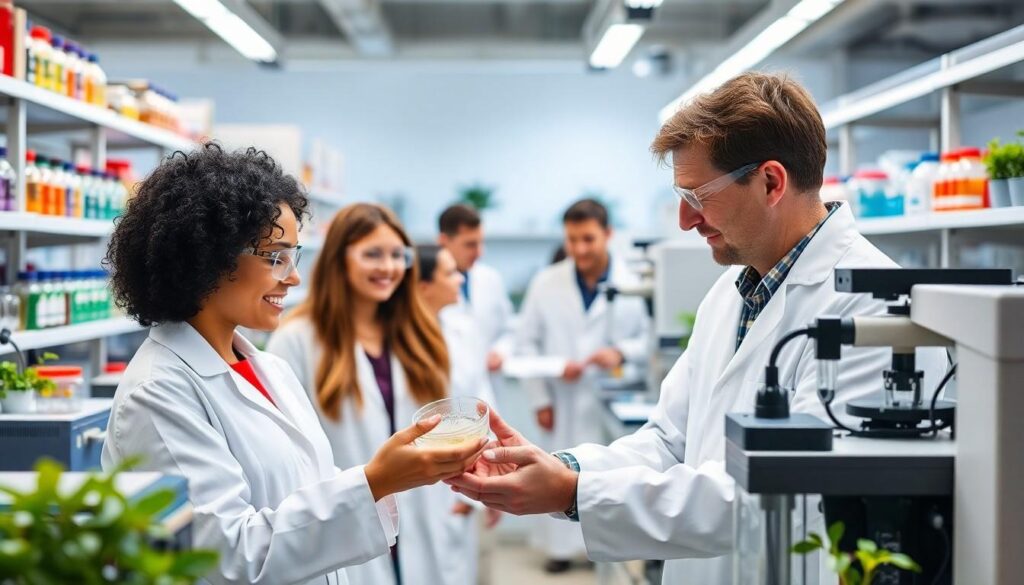
In a world where science fiction meets reality, biotech labs are the unsung heroes of innovation. These high-tech havens are where brilliant minds tinker with nature, creating everything from life-saving medicines to sustainable solutions for our planet. Imagine a place where petri dishes hold the keys to the future, and scientists don lab coats like superheroes don capes.
But it’s not all serious business. Behind the glass walls, there’s a dash of humor as researchers navigate the quirks of genetic engineering and the occasional mishap with a rogue petri dish. As they strive to unlock nature’s secrets, biotech labs blend laughter with groundbreaking discoveries, proving that science can be both enlightening and entertaining. Dive into the fascinating world of biotech labs, where the future is being shaped one experiment at a time.
Overview of Biotech Labs
Biotech labs serve as hubs of innovation, where scientific exploration drives advancements in health and sustainability. These environments foster collaboration among researchers to tackle pressing global challenges.
Definition and Purpose
A biotech lab focuses on the application of biological processes to develop products and technologies. These facilities blend biology with technology to create solutions in healthcare, agriculture, and environmental science. The primary purpose includes developing therapeutic drugs, enhancing crop yields, and devising biosensors for environmental monitoring. Researchers utilize advanced tools and techniques to manipulate living organisms, thereby producing biopharmaceuticals and genetically modified organisms. Each project aims to improve quality of life or address specific issues affecting society.
Key Areas of Research
Significant research areas within biotech labs span multiple disciplines. The development of pharmaceuticals prioritizes creating new medications that treat diseases more effectively. Agricultural biotechnology emphasizes increasing food production through genetically engineered crops. Environmental biotechnology focuses on bioremediation techniques to clean contaminated sites. Additionally, synthetic biology explores creating new biological parts, devices, and systems. Personalized medicine offers tailored treatment plans based on individual genetic profiles. Each area contributes to advancing knowledge and enhancing societal well-being.
Equipment and Technology in Biotech Labs

Biotech labs utilize a diverse range of equipment and technology to drive innovation and support research initiatives.
Essential Lab Equipment
Common lab equipment includes centrifuges, pipettes, and autoclaves. Centrifuges separate components of mixtures based on density, aiding in sample preparation. Pipettes accurately measure small liquid volumes, essential for precise experiments. Autoclaves sterilize instruments and media, ensuring contamination-free environments. Other crucial items are incubators, which control temperature and humidity for cell cultures, and electrophoresis units that analyze DNA and proteins. Each piece of equipment plays a vital role in facilitating experiments, maintaining safety, and achieving reliable results.
Advanced Technologies
Biotech labs increasingly adopt advanced technologies to enhance research capabilities. PCR machines amplify DNA, making it possible to study genetic material in detail. Next-generation sequencing allows for rapid sequencing of genomes, pushing the boundaries of genetic research. CRISPR technology enables precise genome editing, revolutionizing genetic engineering. Robotics streamline high-throughput screening processes, increasing efficiency and accuracy. Data analysis software interprets vast amounts of information, supporting informed decision-making. Each technological advancement contributes to more effective research strategies and innovative solutions.
Applications of Biotech Labs
Biotech labs play a crucial role in various sectors, driving innovations that significantly impact society. Their diverse applications span healthcare, agriculture, and environmental solutions.
Medical and Pharmaceutical Innovations
Innovative treatments emerge from biotech labs, focusing on developing life-saving drugs and therapies. Cancer treatments utilize monoclonal antibodies and immunotherapies, leading to personalized medicine approaches tailored to individual patient needs. Research also emphasizes gene therapy, which addresses genetic disorders by repairing or replacing defective genes. Vaccines, especially mRNA-based types, showcase rapid development capabilities in response to global health crises. Thorough investigations into biotechnology accelerate the approval processes for new pharmaceuticals, ensuring timely delivery of effective treatments to patients.
Agricultural Biotechnology
Agricultural biotechnology enhances crop resilience and yields through genetic modifications. Techniques like CRISPR facilitate precise editing of plant genomes, enabling the creation of drought-resistant or pest-tolerant varieties. Improvements in nutrient content address food security and malnutrition challenges. Biopesticides and biofertilizers emerge from biotech labs, reducing chemical usage and promoting sustainable farming practices. Moreover, advancements in tissue culture technology support the propagation of high-quality plants, offering farmers better options for cultivation. These innovations fuel agricultural productivity, aligning with the growing demand for food in an expanding global population.
Challenges in Biotech Labs
Biotech labs face numerous challenges that can impact their ability to innovate and operate effectively. These hurdles can arise from regulatory demands and ethical issues that require careful consideration.
Regulatory Hurdles
Regulatory hurdles frequently pose significant obstacles for biotech labs. Compliance with guidelines from agencies like the FDA and EPA is essential for gaining approval of new products and technologies. These regulations often require extensive documentation and lengthy approval processes, which can delay research outcomes and commercialization. Many biotech firms also struggle with varying regulations across international borders, complicating global collaboration. They must navigate this complex landscape while maintaining the integrity of their discoveries.
Ethical Considerations
Ethical considerations are central to the discussions within biotech labs. Advances in genetic engineering, such as CRISPR technology, raise questions about the modification of organisms and the potential long-term impacts. Many researchers grapple with the moral implications of altering genetic material and the intended effects on ecosystems and human health. Stakeholder engagement is crucial in addressing these concerns and fostering transparency throughout the research process. Additionally, balancing innovation with public sentiment around ethical issues remains a key challenge for the industry.
Future Trends in Biotech Labs
Biotech labs are poised for significant advancements that will shape their future. The integration of innovative technologies drives many of these trends.
Emerging Technologies
AI and machine learning streamline data analysis, enhancing research productivity. Advanced gene-editing tools, like CRISPR, continue to evolve, enabling more precise modifications. Automation in labs increases efficiency and reduces human error. Bioprinting gains prominence as it facilitates the creation of complex tissues, offering new avenues for regenerative medicine. For example, organoids provide personalized models for drug testing. Data-sharing platforms also emerge, fostering collaboration and expediting research efforts across institutions.
Potential Impacts on Society
Biotech advancements promise substantial benefits for healthcare, agriculture, and environmental sustainability. Treatments derived from biotech labs can lead to improved patient outcomes and personalized medicine options. Crop innovations enhance food security by creating resilient varieties capable of thriving in changing climates. Environmental applications, like bioremediation, offer solutions for pollution challenges. These contributions pave the way for a healthier population and a more sustainable future. Society stands to gain significantly from the continued evolution of biotech strategies.
Biotech labs are at the forefront of scientific innovation and discovery. They serve as essential hubs that not only advance healthcare and agriculture but also address environmental challenges. The integration of cutting-edge technologies and collaborative research fosters an environment ripe for groundbreaking solutions.
Navigating the complexities of regulatory and ethical considerations remains crucial for researchers. As biotech continues to evolve, the potential to improve quality of life and promote sustainability grows. The future of biotech labs promises exciting advancements that will undoubtedly shape society for the better.